

Volkswagen has opened the doors of the new ID. Polo for the first time, offering a detailed glimpse of the new design philosophy that will guide future models in the ID family.
The concept, still close to production, highlights a fully redesigned interior based on customer feedback, combining intuitive operation, higher-quality materials, and digital solutions aimed at everyday comfort.
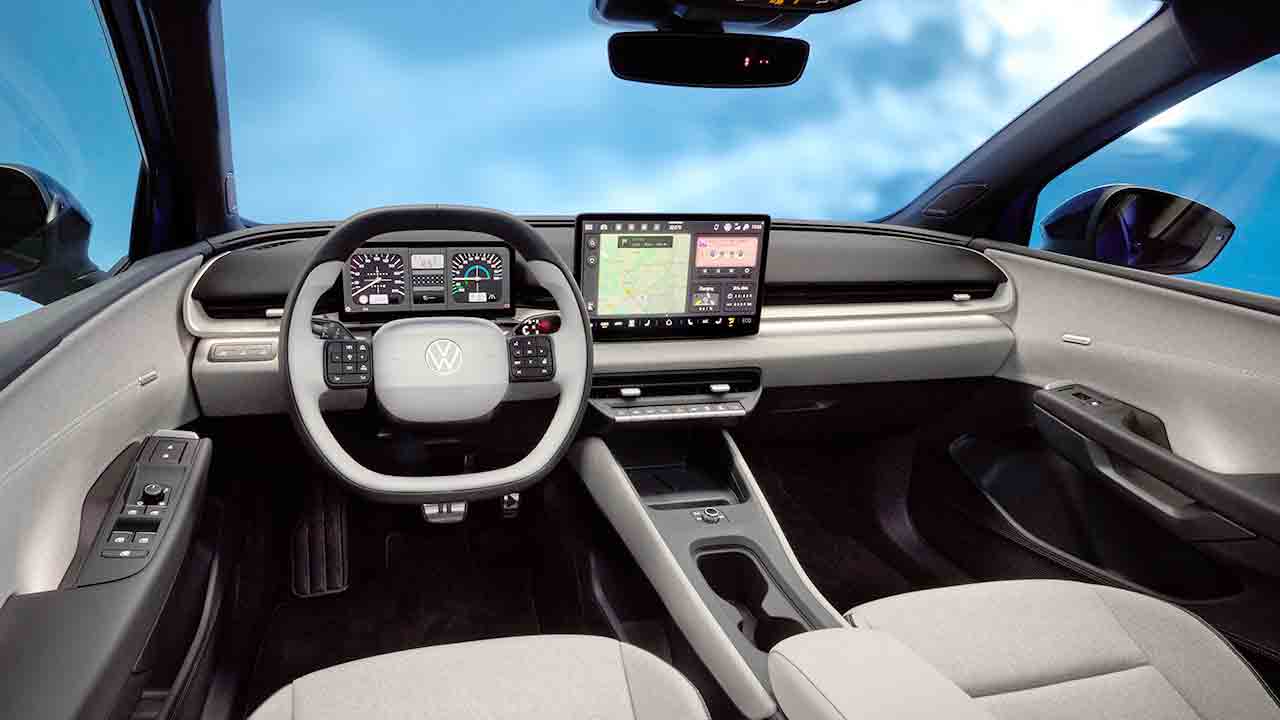
According to the brand, the new ID. Polo introduces a holistic cockpit approach that prioritizes visual clarity, well-defined physical controls, and a more natural driving experience. The project also marks the debut of a new generation of software, offering features such as one-pedal driving, more advanced parking assistants, and optionally, an evolution of the Travel Assist system.
More intuitive interior and higher-standard materials
The cabin adopts the “Pure Positive” design language, aiming to convey a welcoming and friendly atmosphere. Fabric-covered surfaces on the dashboard and doors, along with recycled-content materials, enhance the sense of quality usually associated with higher segments. All controls, buttons, and handles are designed to provide a pleasant tactile experience and easy identification.
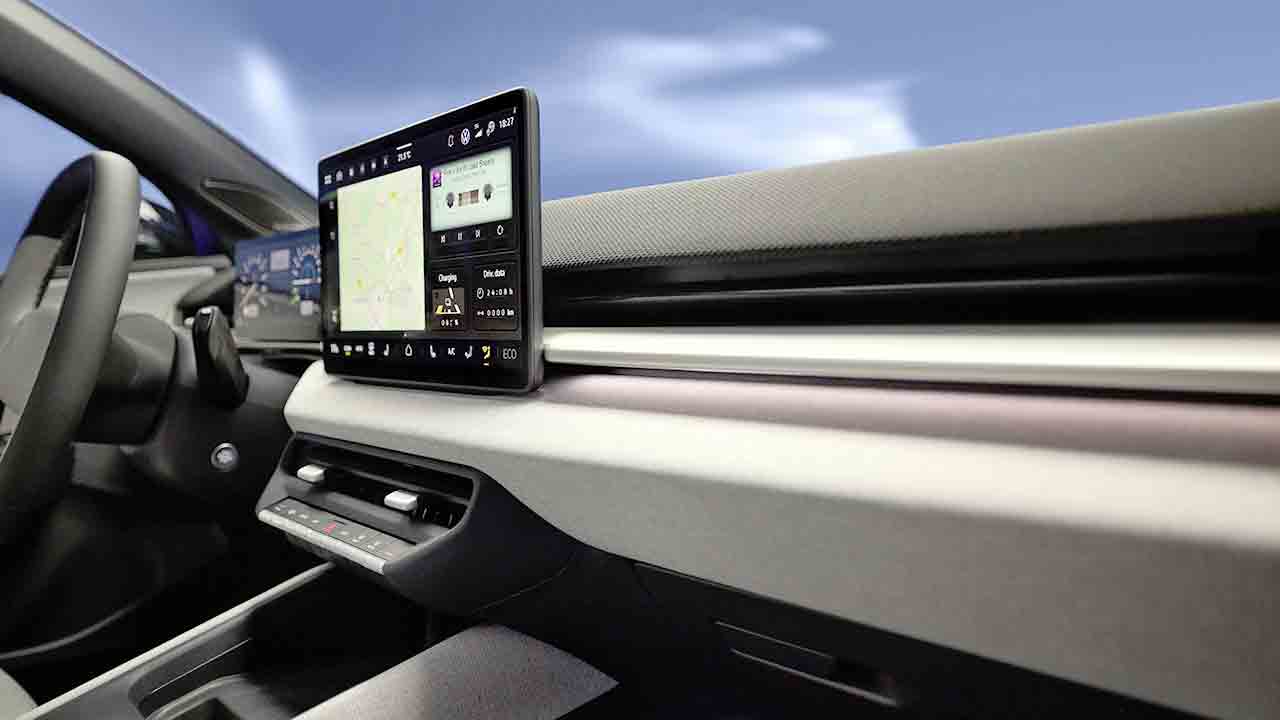
Key elements of the new cockpit include:
- displays with clear information and organized menus;
- greater presence of physical buttons for direct functions;
- multifunction steering wheel with well-defined controls;
- retention of Volkswagen’s traditional operation standards, now reinterpreted for the electric era.
Horizontal architecture and large displays
The dashboard features a clearly defined horizontal layout, dominated by two large displays aligned in the driver’s line of sight. The digital instrument cluster measures 26 cm (10.25 inches), while the central multimedia screen reaches 33 cm (almost 13 inches), one of the largest in its segment. The central screen is also easily accessible to the front passenger.
Just below the infotainment system, a strip integrates dedicated buttons for climate control and hazard lights. Between the smartphone compartment and cup holders, a rotary control allows quick volume adjustment and track or station selection for both driver and passenger.
Another highlight is the evolution of ID.Light, the interactive light strip that now extends across the entire width of the dashboard and, for the first time, also reaches the front doors, enhancing visual communication between the vehicle and occupants.
Nostalgic touch with retro display
One of the most intriguing interior elements is the so-called “retro display.” With a simple press of a button on the steering wheel or multimedia system, the digital dashboard adopts graphics inspired by the 1980s Volkswagen Golf. This solution is designed to create an emotional connection with the driver, combining modern technology with historical brand references.
Platform for future ID models
According to Volkswagen executives, the ID. Polo serves as a basis for the interiors of future electric models. The combination of physical controls, well-integrated displays, and more sophisticated software aims to elevate the user experience, especially in a compact car intended for everyday use.
The presented ID. Polo is a production-close concept and is not yet available for sale. Nevertheless, it clearly anticipates the direction Volkswagen intends to take with its upcoming compact electric vehicles.
Source and images: Volkswagen. This content was created with the help of AI and reviewed by the editorial team.
